Your Guide to Long-Term Savings
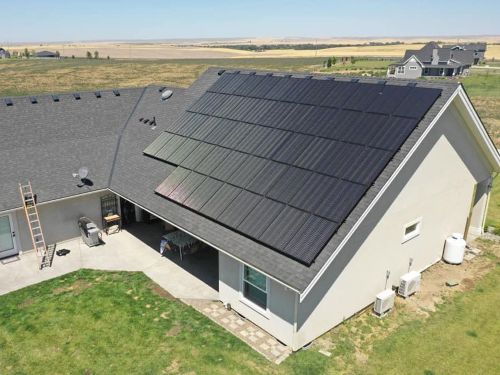
Rising electricity costs and an increasing demand for energy independence have made solar power one of the most effective ways for homeowners to take control of their utility bills. Solar panels convert sunlight into clean electricity that can power your home, significantly reducing or even eliminating your reliance on the utility grid. Because of this, solar energy isn’t just good for the environment, it’s also a powerful financial investment.
This guide breaks down exactly how solar panels save you money on energy bills, what kind of long-term savings you can expect, and why now is one of the best times to consider switching to solar.
How Solar Panels Reduce Your Electricity Costs
Generating Your Own Power
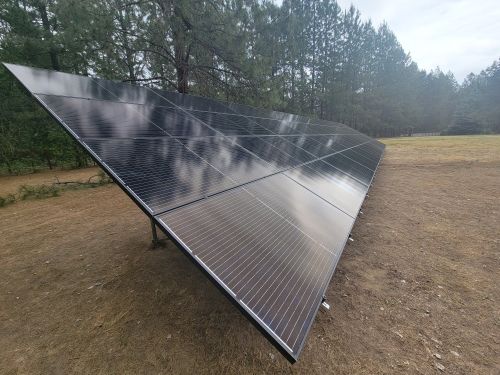
When you install solar panels, you produce your own electricity directly from sunlight. This means you purchase far less energy from your utility provider. Every kilowatt-hour (kWh) your system generates is a kWh you don’t have to pay for.
Because electricity rates continue to rise nationwide, producing your own energy helps shield you from unpredictable rate hikes. This gives you more financial stability year after year.
Net Metering: Earn Credits for Extra Electricity
Most states offer a policy called net metering, which allows homeowners to earn bill credits for any surplus electricity their solar system sends back to the grid. These credits offset the cost of electricity you use at night or during cloudy weather when your panels aren’t producing as much.
This means your solar panels can save you money all year long, not just on sunny days. To learn how net metering can maximize your energy savings, reach out to Pro-Stat Solar Group for a free solar evaluation.
Reduced Peak Time Charges
Electric utilities often charge higher rates during peak usage hours. Solar panels generate the most power during those same hours, helping you avoid costly time-of-use (TOU) rates and keeping your monthly bill low.
Pairing Solar with Battery Storage
Adding battery storage allows you to store excess solar power and use it later—during outages, at night, or during peak demand times. With a battery, you can reduce your reliance on the grid even further and push your energy savings even higher.
Long-Term Financial Benefits of Solar Panels
Federal and State Incentives
The federal solar tax credit (ITC), along with state or utility rebates, can greatly reduce the upfront cost of a solar installation. Lower installation costs mean a faster return on investment and more long-term value.
Lower Electricity Bills for 25+ Years
Solar panels are designed to last 25–30 years or more, which means decades of reduced utility bills. Even as panels naturally degrade over time, most retain 80–90% of their original output after 25 years, ensuring consistent savings.
Protection Against Rising Utility Rates
Electricity prices have increased significantly over the last decade, and they’re expected to continue rising. Solar locks in your energy costs, giving you predictable long-term savings and protection from future rate hikes.
Increased Home Value
Studies consistently show that homes with solar panels sell faster and at higher prices. Buyers value the lower utility bills and built-in energy savings, making solar a smart investment for homeowners planning to sell in the future.
What Affects How Much You Can Save?
System Size
Larger systems produce more energy, leading to higher savings. Especially for homes with higher monthly electricity usage.
Electricity Rates in Your Area
Solar tends to be most cost-effective in regions with high electricity prices or frequent rate increases.
Roof Orientation & Sun Exposure
South-facing roofs with minimal shading provide the highest energy production and maximum savings.
Your Energy Usage
The more energy you use, the more valuable your solar savings become. A solar professional can help you size your system to match your needs.
If you’re ready to explore how much you could save with a customized system, Pro-Stat Solar Group can provide a detailed solar savings analysis for your home.
Why Solar Savings Matter Today More than Ever
Homeowners are looking for ways to lower their monthly expenses without sacrificing comfort or convenience. Solar energy provides a powerful solution, one that continues delivering financial benefits long after it’s installed.
By generating clean electricity, earning credits through net metering, and reducing your reliance on utility companies, solar panels empower you to take control of your energy costs and your energy future.
Smart Savings, Brighter Future: The Real Impact of Solar Panels
Solar panels aren’t just a way to cut your monthly bill. They are a long-term investment in financial stability, energy independence, and home value. With the rising cost of electricity and generous incentive programs still available, now is an excellent time to make the switch.
If you’re ready to lower your utility bills and start saving for decades to come, contact Pro-Stat Solar Group today to learn how much solar can benefit your home.